
Greyhound Retirement Scheme: Where Retired Dogs Go After Racing
 Available in US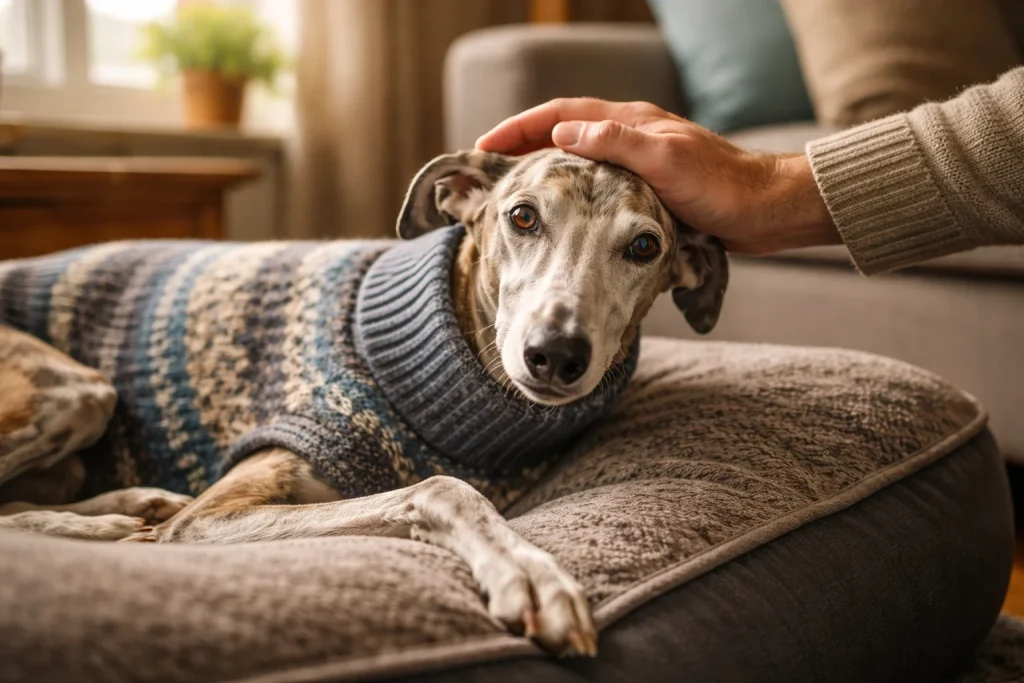
This guide explains how the GRS operates, examines the statistics behind retirement outcomes, and outlines what prospective adopters should know about bringing a retired racer into their lives. Whether your interest is ethical, practical, or both, understanding the retirement scheme adds context to every race run at Oxford Stadium and beyond.
The wider context is set out in our Oxford greyhound results guide.
How the Scheme Operates
The Greyhound Retirement Scheme requires owners and trainers to pay a bond for each greyhound registered with GBGB. As of 2026, this bond stands at £420 per dog, an increase from the previous £400 level. The bond is refundable when the greyhound is successfully rehomed through an approved homing centre, incentivising proper retirement pathways.
When a greyhound retires, its owner must notify GBGB and either rehome the dog privately or transfer it to a registered homing centre. The scheme’s network includes independent rescue organisations, breed-specific charities, and GBGB-approved facilities across Britain. These centres assess each dog, address any health issues, and match greyhounds with suitable adoptive families.
Financial support flows from GBGB to participating homing centres. Since 2020, more than £5.6 million has been paid to these organisations through the GRS, funding kennel spaces, veterinary care, and staff time devoted to rehabilitation and rehoming. This represents a substantial and ongoing investment in post-racing welfare.
Trainers face penalties for non-compliance. Failing to properly retire a greyhound through approved channels can result in fines, suspensions, or loss of training licence. GBGB tracks retirement outcomes and follows up on dogs whose whereabouts become unclear. The regulatory framework ensures the scheme operates as mandate rather than suggestion.
The Numbers on Retirement
GBGB publishes annual data on greyhound retirement outcomes. The 2026 figures show 94% of registered greyhounds successfully rehomed or retained by connections—a significant improvement from 88% recorded in 2018. This upward trend reflects both increased homing centre capacity and cultural shifts within the racing community toward viewing retirement planning as integral to dog ownership.
Perhaps more striking is the reduction in euthanasia for economic reasons. GBGB CEO Mark Bird has highlighted this progress: “I am particularly proud of the progress we have made around economic euthanasia. As a Board, we have been clear that putting a greyhound to sleep for economic reasons is unacceptable and I am pleased that we have reduced this by 98% since 2018.” In 2026, only three greyhounds were euthanised for economic reasons across all GBGB-licensed tracks, down from 175 in 2018.
These improvements have not silenced critics entirely. Welfare organisations point to the total number of greyhound deaths—346 from all racing-related causes in 2026, according to RSPCA data—as evidence that fundamental risks remain. The distinction between trackside fatalities, post-injury euthanasia, and economic euthanasia matters statistically but may feel academic to those opposed to greyhound racing on principle.
What the data clearly shows is that retirement outcomes have improved markedly under the current scheme. Whether 94% successful rehoming represents acceptable performance depends on expectations. For an industry once criticised for wholesale disposal of unwanted dogs, the transformation is genuine. For those who believe 100% should be the only acceptable standard, the remaining 6% constitutes ongoing failure.
The Homing Centre Network
Homing centres vary in size, focus, and approach. The Greyhound Trust, with branches across Britain, operates as the largest dedicated greyhound rehoming organisation. Smaller independent rescues fill gaps in geographic coverage and sometimes specialise in dogs with particular needs—those requiring extensive veterinary attention or behavioural rehabilitation before placement.
Centres assess each incoming greyhound for temperament, health conditions, and compatibility with different home environments. Some retired racers adapt immediately to domestic life; others need time to decompress from kennel routines. Dogs that have never lived in houses may initially find stairs, glass doors, and domestic sounds confusing. Good homing centres prepare adopters for these transitions.
Veterinary care often features prominently. Racing greyhounds commonly arrive with dental issues—a legacy of high-protein diets and limited dental maintenance during their racing careers. Homing centres typically address these problems before placement, though adopters should budget for ongoing dental care. Joint issues, particularly in older retirees, also require attention.
The funding from GBGB’s retirement scheme supports these operations, but centres often supplement with charitable donations and adoption fees. The relationship between racing industry funding and independent rescue operations creates complex dynamics. Some rescue organisations accept GBGB money while remaining critical of the sport; others refuse industry funds entirely, relying solely on public donations.
Becoming an Adopter
Adopting a retired greyhound involves application processes that vary by centre. Expect home visits, conversations about lifestyle and experience, and matching based on the dog’s assessed needs. Centres aim for successful long-term placements rather than rapid turnover, which means some applications are declined when the fit seems wrong.
Prospective adopters should understand greyhound-specific requirements. These dogs have spent their lives in kennel environments with structured routines. They may not be housetrained initially. Their prey drive—the instinct that makes them chase—can pose risks around cats and small animals. Secure gardens with tall fencing are typically required.
On the positive side, greyhounds are famously calm house companions despite their athletic background. Most retired racers want little more than a comfortable bed and regular meals. They adapt well to apartment living, require less exercise than many breeds their size, and generally possess gentle temperaments shaped by handling throughout their racing careers.
Adoption fees typically cover initial veterinary work, neutering, and microchipping. These costs represent a fraction of the investment homing centres make in preparing dogs for placement. Most centres provide post-adoption support, offering advice as new owners navigate the transition period.
Life After the Track
The Greyhound Retirement Scheme represents the racing industry’s formal commitment to post-racing welfare. Its bond system, funding streams, and outcome tracking create accountability that did not exist two decades ago. The 94% successful retirement rate and near-elimination of economic euthanasia demonstrate measurable progress.
For those who attend Oxford Stadium or bet on greyhound racing, the GRS provides assurance that the sport takes retirement seriously. The dogs racing tonight will, when their careers conclude, enter a structured system designed to secure their futures. This matters for racing’s social licence—the public acceptance that allows the sport to continue.
For those considering adoption, the scheme means a steady supply of well-prepared dogs seeking homes. And for the dogs themselves—thousands each year leaving racing kennels for family households—the scheme offers a pathway to what many prove to be long and comfortable retirements on sofas rather than starting traps.
The injury record behind it is in safety statistics.
