
Trainer Development Grants: How GBGB Supports Racing Professionals
 Available in US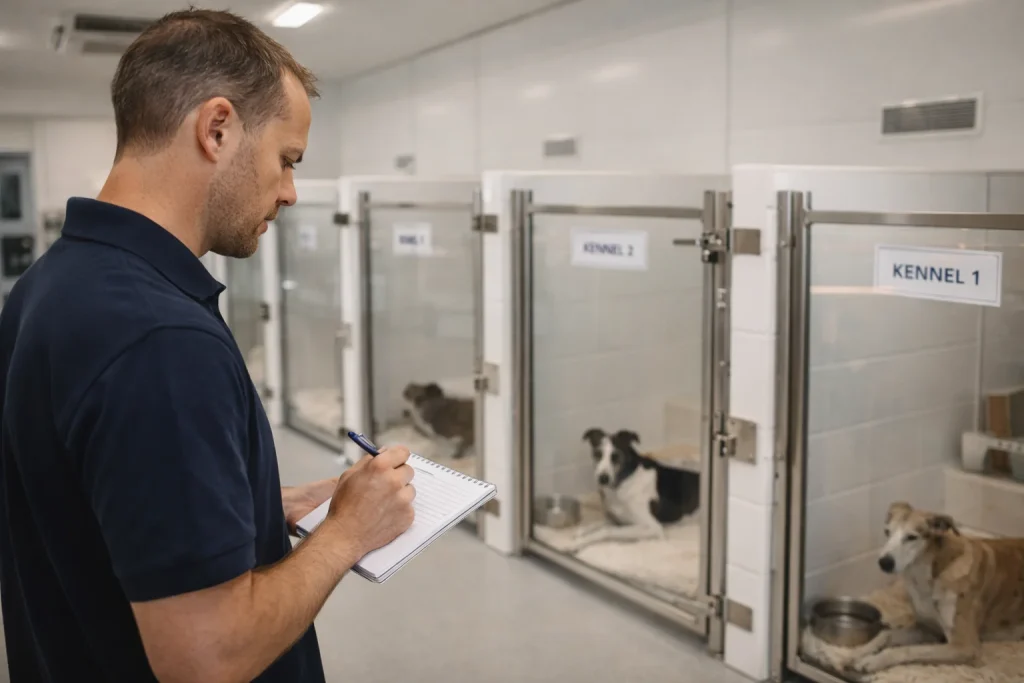
The grants represent one strand of a broader welfare strategy. Better-trained trainers produce better-cared-for dogs; improved kennel facilities mean healthier living conditions; continuing professional development spreads best practices across the industry. For bettors, these investments translate to a racing population maintained to higher standards than would exist without such support.
This guide explains how the grant programme works, presents funding statistics, and examines the continuing education requirements that now apply to all licensed trainers in British greyhound racing.
The wider context is set out in our Oxford greyhound results guide.
How the Grants Work
Trainer Development Grants provide matched funding for kennel improvements. A trainer seeking to upgrade facilities—better drainage, improved ventilation, upgraded heating systems—can apply for financial support that covers a portion of the project cost. The matching model ensures trainers invest alongside GBGB, creating shared ownership of improvements.
Applications undergo assessment based on welfare impact. Projects that demonstrably improve dog welfare receive priority over cosmetic upgrades. A new kennel block with proper environmental controls ranks higher than aesthetic renovations to existing adequate facilities. This prioritisation ensures limited funds flow toward genuine welfare gains.
The programme targets facilities rather than operating costs. Grants do not cover food, veterinary bills, or staff wages—those remain trainer responsibilities. Instead, the focus falls on capital improvements that create lasting welfare benefits. A properly built kennel serves greyhounds for decades; a better feeding regime, while important, depends on ongoing trainer commitment rather than one-time investment.
Licensed trainers at any of the 21 GBGB tracks can apply, including those operating kennels supplying dogs to Oxford Stadium. The application process requires documentation of proposed improvements, cost estimates, and explanations of expected welfare benefits. Successful applicants receive funds upon completion and inspection of approved work.
Grant availability fluctuates with industry finances. In prosperous periods, more funds flow to the programme; during financial pressure, allocations may tighten. Trainers planning major investments must consider not just their own finances but also the likelihood of grant support when they apply.
Funding by the Numbers
GBGB allocated more than £480,000 in Trainer Development Grants during 2026. This figure represents substantial investment in the physical infrastructure of British greyhound training operations. Spread across multiple projects at various kennels, these funds have upgraded facilities housing hundreds of racing and retired greyhounds.
The annual allocation has grown in recent years as GBGB prioritised welfare spending. Earlier grant rounds distributed smaller totals; the current scale reflects both increased funding and accumulated demand from trainers who had deferred facility upgrades during leaner periods. The 2026 figure sits within a multi-year commitment that has directed millions toward kennel improvements industry-wide.
Grant uptake indicates trainer engagement with welfare priorities. High application rates suggest trainers view facility improvements as worthwhile investments, even accounting for their required co-funding. Low uptake would suggest either that facilities already meet standards or that trainers lack resources to provide their funding share. Current demand exceeds available funds, indicating genuine appetite for improvements.
Tracking outcomes remains challenging. GBGB inspects completed projects to verify work matches approved plans, but measuring long-term welfare impact requires sustained observation. Does a new kennel block actually improve dog health? The assumption seems reasonable, but definitive proof requires data collection over years rather than months.
Continuing Professional Development
Beyond facility grants, GBGB requires licensed trainers to complete continuing professional development (CPD) each year. This education programme ensures trainers remain current with evolving best practices in animal care, injury prevention, and welfare standards. In 2026 alone, stakeholders across the industry accumulated more than 580 hours of CPD through GBGB-approved courses and seminars.
CPD topics span practical and regulatory subjects. Courses cover nutrition, injury recognition, conditioning techniques, and regulatory compliance. Trainers learn about new research findings, updated welfare protocols, and emerging technologies applicable to kennel management. The goal is continuous improvement rather than one-time certification.
Licence renewal depends on CPD completion. Trainers who fail to meet requirements risk losing their licences, effectively ending their ability to operate at GBGB tracks. This enforcement mechanism ensures CPD is not merely optional professional development but a mandatory condition of continued participation in licensed racing.
The programme addresses knowledge gaps that previously existed. Historically, greyhound training was learned through apprenticeship, with practices passed from experienced trainers to newcomers without formal evaluation. Modern CPD requirements introduce standardisation, ensuring all trainers encounter the same baseline information regardless of who trained them initially.
Online delivery has expanded access. Trainers in remote locations can complete CPD modules without travelling to centralised sessions. This flexibility increases participation while maintaining content quality. The 580+ hours accumulated in 2026 across the industry reflects both requirement compliance and genuine engagement with learning opportunities.
Effects on Racing Welfare
Grant programmes and CPD requirements aim to lift welfare standards across the industry. Better facilities mean dogs live in appropriate conditions between races; better-educated trainers make informed decisions about conditioning, feeding, and health monitoring. Together, these investments create an environment where welfare problems are less likely to develop and more likely to be caught early when they do.
For Oxford Stadium specifically, the grants support kennels operated by trainers who supply dogs to the track. A greyhound racing at Oxford may have spent its training weeks in facilities upgraded through GBGB funding, cared for by a trainer who recently completed courses on injury prevention or nutrition. These connections are invisible to spectators and bettors but underpin the racing programme.
Critics argue that grants and CPD represent window dressing—investments that improve industry image without addressing fundamental concerns about racing’s ethics. Supporters counter that incremental improvement is genuine improvement, and that professionalising the training workforce benefits dogs regardless of broader debates about the sport’s legitimacy.
The ultimate measure would be outcomes: do dogs trained at grant-improved facilities suffer fewer injuries? Do trainers who complete more CPD produce healthier greyhounds? These questions remain difficult to answer definitively, though the directional trend in industry-wide injury statistics suggests overall improvement coinciding with increased welfare investment.
Investing in People and Places
GBGB’s Trainer Development Grants and CPD requirements reflect a professionalisation of British greyhound training. The days of informal apprenticeship and make-do facilities are giving way to structured education and funded improvements. Whether this transformation satisfies welfare concerns or merely papers over them depends on perspective.
The kennels at the track are in Oxford trainers.
What is clear is that money flows toward training infrastructure and education at scales that would have seemed remarkable a generation ago. The £480,000 allocated in 2026 alone represents substantial commitment to the physical environments where greyhounds live and the knowledge base of people who care for them. For those who follow racing at Oxford and elsewhere, these investments form an unseen foundation beneath every race run.
The dogs on the track benefit from kennel upgrades they never see reported and CPD courses they never know their trainers completed. Such is the nature of welfare investment—largely invisible but consequential nonetheless.
