
Oxford 595m & 645m Results: Middle Distance Racing Breakdown
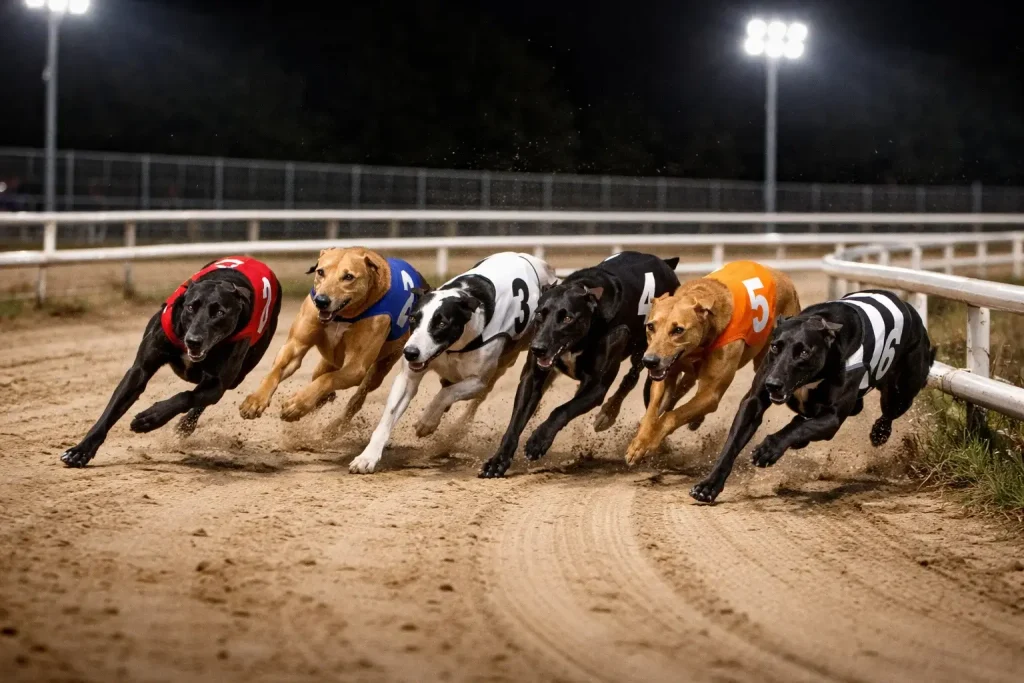
Middle distance racing at Oxford Stadium occupies the territory between pure sprint speed and marathon stamina. The 595m and 645m trips demand dogs that possess both early pace and the endurance to sustain it through two full bends. These distances suit greyhounds who cannot quite match the fastest sprinters but out-class stayers over the shorter trips where raw speed matters less.
Oxford offers distances from 250m to 1040m, with 595m and 645m sitting above the standard 450m but well short of the staying events. With only 21 GBGB-licensed tracks remaining in the UK, Oxford’s middle-distance programme provides valuable opportunities for dogs suited to these specialist trips. Races at these distances attract competitive fields where tactical variety flourishes. Early leaders can hold on if they possess enough stamina, while closers with strong finishing kicks have time to mount challenges that shorter races deny them. Understanding the dynamics unique to middle distance racing sharpens your form reading and betting selections.
595m vs 645m Differences
The 50 metres separating 595m from 645m might seem negligible, but it shifts the balance between pace and stamina. At 595m, quick dogs who run out of steam slightly can still hold position if their early advantage was substantial. At 645m, the extra distance punishes early leaders who lack genuine staying power. Those additional metres expose dogs whose fitness falls short of their speed.
Oxford’s 379-metre circumference means both distances involve multiple circuits. According to Dog Track Guide, the 595m race features two bends, similar to the standard 450m but with an extended run-in and more ground to cover after the second turn. The 645m trip adds nearly another half-lap, meaning dogs negotiate bends at different stages of fatigue than they would over shorter distances.
Trainers choose distances strategically. A greyhound whose 450m form shows tiring on the run-in might step up to 595m where the pace typically eases earlier. Conversely, a dog who accelerates late but lacks the finishing burst for 845m stayers might find 645m suits better. Reading these distance shifts reveals trainer thinking about a dog’s optimal trip.
Results at 595m and 645m often feature tighter finishes than sprint events. The field tends to compress as the race progresses, with early leaders fading and closers gaining ground. Photo finishes occur more frequently, making forecast and tricast betting both riskier and potentially more rewarding when you correctly identify the minor placings.
Stamina vs Pace
Middle distance racing exposes the trade-off every greyhound faces between speed and endurance. Dogs with electrifying early pace sometimes blow out after the first bend, unable to sustain their acceleration. Dogs with deep stamina reserves may trail initially but pass tiring rivals in the closing stages. The balance point varies by individual, and identifying where each dog sits on that spectrum determines your selections.
Early pace still matters at 595m and 645m. The greyhound leading at the first bend wins approximately 35% of races across UK tracks, and this statistic holds reasonably well at middle distances. At Oxford, where the first bend sits just 108 metres from the traps, this early positioning remains significant even over extended trips. However, the leader’s advantage diminishes compared to sprint racing because closers have more time to make up ground. A two-length lead at the first bend means less at 645m than at 250m.
Sectional analysis reveals stamina profiles. Compare a dog’s split to the first bend with its run-in split. If the early sectional looks sharp but the run-in time suggests fading, the dog may lack staying power for 645m. If the early sectional appears moderate but the closing split shows acceleration, the dog possesses the stamina required for middle distances and might even suit longer trips.
Watch for dogs stepping up from 450m with strong finishing sectionals. These greyhounds often improve dramatically at 595m where the extra distance allows their stamina to become an asset rather than an unused resource. Conversely, pure speedsters from sprint backgrounds frequently struggle when distances extend beyond 450m.
Trap Draw Impact
Trap bias at middle distances differs from sprint racing. Inside traps still offer advantages, particularly for dogs who need rail position early to settle into rhythm. However, the longer race duration allows wide runners more opportunity to work across and find racing room. A Trap 6 dog who would have no chance at 250m becomes competitive at 645m if it possesses the stamina to recover ground lost to the draw.
The second bend introduces tactical considerations absent from sprint races. Dogs holding inside positions into the second turn maintain their advantage more easily than those who must negotiate traffic on the outside. A greyhound drawn wide but possessing strong early pace might angle inward before the first bend, then hold position through both turns to win from the front.
Middle distance races often feature crowding on the first bend. Six dogs converging on a tight turn creates interference that disrupts running styles. Dogs known to handle traffic well deserve respect in these events regardless of trap draw. Conversely, greyhounds who race ungenerously or struggle when challenged may underperform even from favourable inside positions.
Track geometry at Oxford, with its 379-metre circumference, means bends come at specific intervals that suit certain dogs. Greyhounds whose stride lengths synchronise well with Oxford’s turn radii gain subtle advantages over those who must adjust their action. Noting which dogs consistently run well at Oxford regardless of trap draw reveals track specialists worth following.
Betting Approach
Middle distance races reward nuanced form analysis more than sprints or marathon events. The blend of pace and stamina requirements means more variables influence outcomes. Your selections should account for early speed, staying power, trap draw, bend-handling ability, and recent form trends. Dogs that tick multiple boxes at 595m and 645m represent stronger propositions than one-dimensional specialists.
Forecast betting suits middle distances well. The compressed finishes common at 595m and 645m mean second place often goes to a dog who ran a sound race rather than one who benefited from racing luck alone. Identifying two genuine contenders and combining them in forecasts hedges against the uncertainty of tight finishes.
Watch the market for signals. At middle distances, late money movements sometimes reflect information about stamina that raw form figures cannot reveal. If a dog who previously faded now attracts support, inside knowledge about improved fitness might explain the shift. These market moves carry more weight at distances where stamina plays a significant role.
Consider each-way betting at longer prices. The bunched finishes at 595m and 645m regularly see outsiders hit the frame when faster dogs tire. A dog priced at 8/1 or longer with proven stamina but questionable pace might not win often, but it places frequently enough to deliver each-way value over time.
Conclusion
The 595m and 645m distances at Oxford Stadium sit in the racing sweet spot where pace and stamina intersect. Dogs need enough speed to compete early and enough endurance to maintain position or mount late challenges. This balance creates competitive fields, tighter finishes, and betting opportunities that reward careful form reading.
Approach middle distance racing as a different discipline from sprints or stayers. The extra complexity means more chances for form students to find value that casual bettors overlook. If you analyse sectional profiles, track which dogs suit Oxford’s geometry, and identify greyhounds improving with distance, you build an edge that compounds across the season’s 595m and 645m cards.