
UK Greyhound Track Comparison: How Oxford Measures Against Other Stadiums
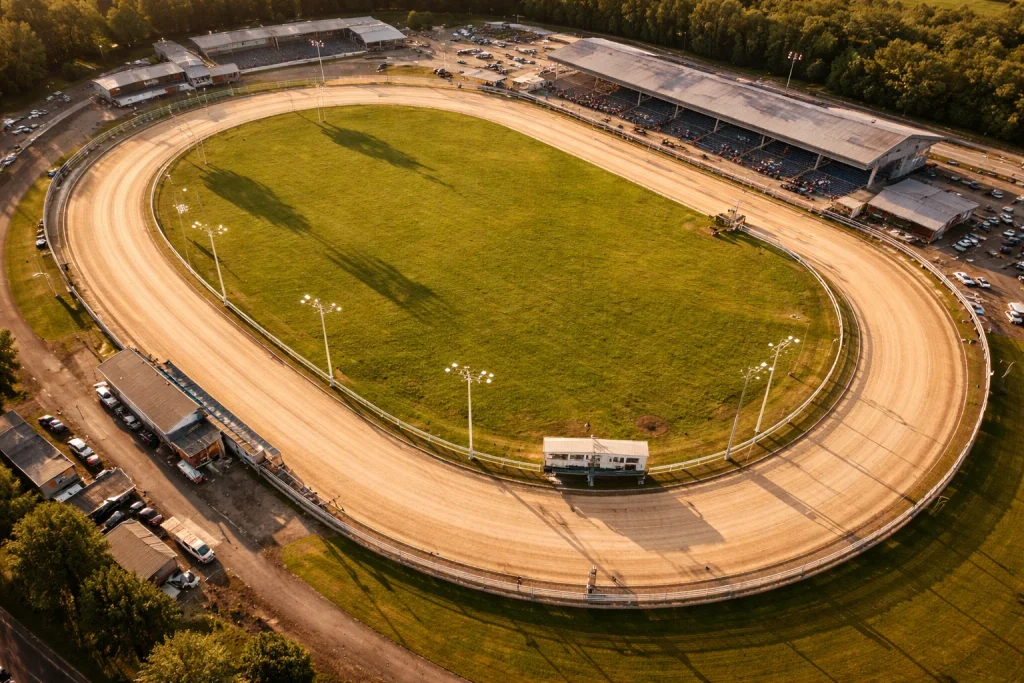
Britain’s 21 GBGB-licensed greyhound tracks vary considerably in configuration, racing characteristics, and betting patterns. Oxford Stadium sits within this landscape as a medium-sized venue with its own distinct traits. Understanding how Oxford compares to other tracks helps bettors interpret form more accurately and assess whether a dog’s previous performances will translate to this Cowley circuit.
Form followers know that a greyhound dominating at one track may struggle at another. Track circumference, bend tightness, running surface, and distance offerings all influence performance. A wide-running dog that excels on larger circuits may find Oxford’s 379-metre circumference restrictive. Conversely, a railer bred for tight tracks might thrive where others feel cramped.
This guide compares Oxford to other major UK venues across the metrics that matter most for betting analysis: track dimensions, trap statistics, favourite success rates, and the peculiarities that give each stadium its character.
What Actually Matters
Track circumference is the primary differentiator. Smaller circuits demand tighter cornering ability and favour early pace; larger ovals reward wider-running dogs with stamina to sustain longer straights. Oxford’s circumference of approximately 379 metres places it in the mid-range—neither as tight as the smallest venues nor as expansive as the largest.
Distance offerings vary between tracks. Oxford provides races from 250 metres (sprint) to 1040 metres (marathon), covering the full spectrum. Some smaller tracks lack marathon distances entirely, limiting opportunities for certain greyhound types. When assessing dogs transferring to Oxford, check whether they have experience at comparable distances.
Trap statistics reveal track-specific biases. Inside draws typically hold advantage at inside-rail tracks like Oxford, but the magnitude varies. Some venues show pronounced bias toward trap one; others exhibit more balanced win distribution. Historical data for Oxford indicates trap three holds a slight edge over other positions, a pattern not universal across all circuits.
Going conditions present another variable. Sand-based tracks respond differently to weather than synthetic surfaces. Oxford’s sandy surface can vary from fast to slow depending on moisture content, affecting times and influencing which running styles prosper.
Oxford Against the Competition
Towcester, one of Britain’s largest tracks with a circumference around 440 metres, presents a stark contrast to Oxford. The Northamptonshire venue’s long straights and sweeping bends suit galloping types that sustain pace over distance. Dogs comfortable at Towcester may find Oxford’s tighter configuration cramped, particularly around the bends where positional battles intensify.
Romford, located in East London, offers another useful comparison. Its smaller circumference creates conditions where early pace proves even more critical than at Oxford. A dog with proven Romford form often adapts well to Oxford’s similar emphasis on trap speed and first-bend positioning, though the slightly larger Oxford circuit gives wide runners marginally more room to operate.
Nottingham (Colwick Park) shares similar characteristics with Oxford in terms of circumference and standard distances. Form transfers relatively cleanly between these two venues. A greyhound performing consistently at Nottingham should find Oxford familiar, though local factors like going and draw bias still require consideration.
Monmore Green in Wolverhampton sits geographically close to Oxford and attracts similar calibre of competition. Trainers sometimes campaign dogs at both tracks, creating head-to-head form comparisons that bettors can use directly. When assessing an Oxford runner with Monmore form, distances and grades provide reliable reference points.
The defunct tracks matter too. Wimbledon, which closed in 2017, once set the standard for British greyhound racing. Dogs that raced at Wimbledon before its closure bring experience from a venue larger than Oxford. Older form from Wimbledon should be interpreted with awareness that the tracks differ considerably in configuration. Similarly, dogs with Crayford form bring experience from a smaller venue that closed in January 2026—their transition to Oxford may require adjustment to the larger circumference.
Irish tracks, which predominantly use outside hares, require special attention. Dogs imported from Ireland may have ingrained habits—running wide to follow an outside lure—that initially work against them at Oxford’s inside-rail setup. Trial performances help identify which Irish imports have adapted their running pattern.
Where Favourites Win—and Where They Don’t
Favourite win rates vary significantly across UK tracks. Data from OLBG covering 2026 reveals Kinsley as the venue with the lowest favourite success rate at 31.6%, while Valley tops the chart at 42%. This ten-percentage-point spread has substantial implications for bettors who habitually back or oppose market leaders.
Oxford’s favourite win rate sits near the national average of 35.67% for graded racing. This moderate figure suggests the track neither strongly favours nor punishes fancied runners. Competitive grading and the influence of trap draws create enough uncertainty to keep prices honest without systematically undermining market assessments.
Tracks with low favourite success rates tend to share characteristics: tight configurations where crowding affects leading dogs, or pronounced trap biases that catch even good dogs on wrong draws. Kinsley’s notably low favourite win rate reflects these dynamics. Bettors who target value against favourites find such venues attractive hunting grounds.
Conversely, tracks where favourites succeed more often—like Valley at 42%—may indicate less competitive grading or configurations that protect class advantages. At these venues, backing short prices carries less risk but also delivers smaller returns.
For Oxford bettors, the moderate favourite success rate suggests a balanced approach. Neither blind favourite backing nor automatic opposition offers consistent edge. Race-by-race assessment, considering trap draw and going alongside form, remains the soundest strategy.
Picking Your Battles
Different tracks suit different betting styles. Punters who prefer backing favourites might gravitate toward venues with higher market-leader success rates, accepting smaller margins for greater consistency. Those seeking bigger prices and willing to absorb more losses may prefer tracks where upsets occur more frequently.
Oxford’s middle-ground characteristics make it versatile. The track produces enough variation to reward selective betting while remaining predictable enough for disciplined form analysis. It is neither a trap for favourite backers nor a paradise for longshot hunters. This balance makes Oxford accessible for bettors at all experience levels.
For bettors new to Oxford, studying dogs with experience at comparable tracks—Nottingham, Monmore, Romford—provides useful reference points. Greyhounds transferring from very different configurations, particularly Irish imports or dogs from much larger circuits, warrant extra scrutiny in their first few Oxford starts. Trial performances often reveal whether a newcomer has adapted to the track’s demands.
Context for Every Result
Comparing Oxford to other UK greyhound tracks reveals a venue that fits comfortably within the national landscape rather than standing as an outlier. Its circumference, favourite win rates, and trap characteristics all fall within typical ranges. This normality is actually useful: form from comparable tracks transfers reasonably well, and bettors can apply standard analytical approaches without needing extensive track-specific adjustments.
The remaining 21 GBGB-licensed tracks each possess their own quirks, and serious form students learn to account for these differences. For Oxford, the key lesson is that the track rewards attention to detail—draw, going, recent form—without demanding esoteric knowledge available only to local insiders. Study the fundamentals, respect what the data shows, and Oxford becomes as readable as any venue in Britain. Armed with this comparative understanding, bettors can approach Oxford results with appropriate context for every performance.