
Oxford Greyhound Trainers: Top Kennels & Win Rate Statistics
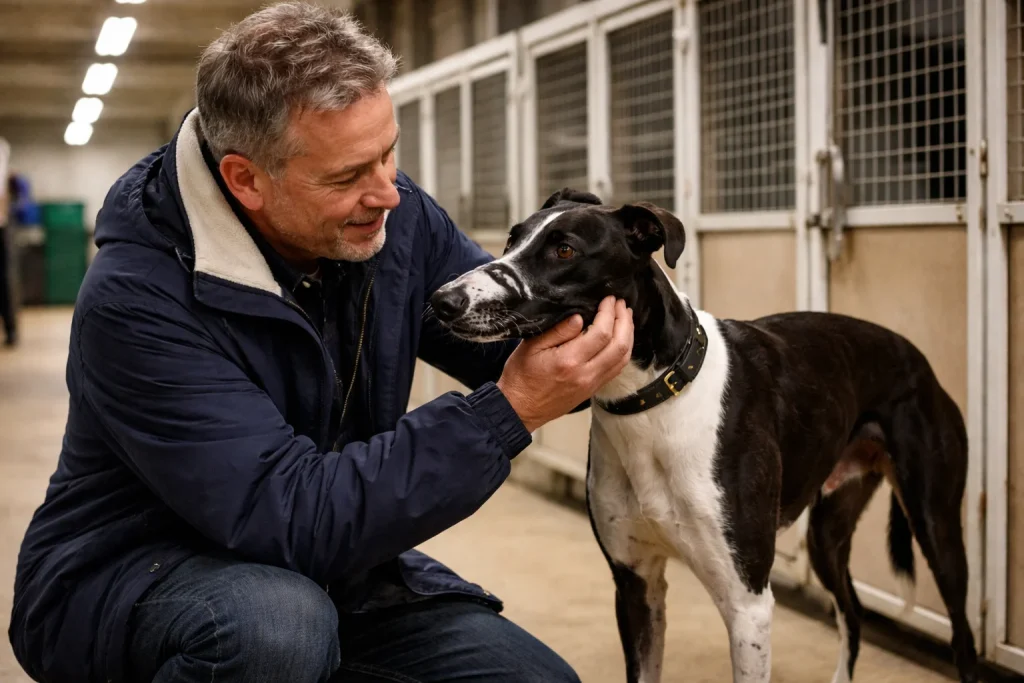
Trainer statistics at Oxford Stadium reveal patterns that pure form analysis misses. Some kennels consistently outperform their strike rate across the UK; others specialise in specific distances or grades. Knowing which trainers dominate Oxford transforms your approach to any racecard featuring their dogs.
This article examines how trainer performance is measured, highlights the leading kennels at Oxford, identifies form patterns worth tracking, and explains how to integrate trainer data into your betting decisions. The numbers do not lie, but interpreting them correctly requires understanding context.
How Trainer Stats Are Measured
The primary metric is strike rate: wins divided by total runners expressed as a percentage. A trainer sending out 100 dogs and winning 20 races holds a 20% strike rate. Simple enough, but raw strike rate alone can mislead. A trainer focusing on open races faces stiffer competition than one targeting lower grades, so identical percentages do not imply identical skill.
Place rate adds nuance. Trainers whose dogs consistently finish in the first three generate returns for each-way bettors even when they do not win outright. A 15% win rate combined with a 45% place rate suggests a kennel producing competitive dogs that lack the final gear to close out victories. Such trainers often offer value in forecast and tricast markets where picking the frame matters more than finding the winner.
Return on investment measures profitability. If backing every runner from a trainer at starting price yielded a loss, the high strike rate meant nothing to your bankroll. Some trainers attract inflated market confidence, shortening odds to the point where winners do not cover losers. Profitable trainers show positive ROI over meaningful sample sizes, typically 100 or more runners.
Sample size matters enormously. A trainer with a 40% strike rate from five runners tells you almost nothing. Statistical significance requires volume, and Oxford’s regular trainers accumulate enough data across a season to reveal genuine patterns rather than variance. Look for trainers with at least 50 runners at the track before treating their numbers as reliable.
Timeform ratings incorporate trainer form into their overall assessments. A dog’s rating reflects past performances, but consistent runners from high-performing kennels sometimes carry implicit credit. Understanding where those ratings come from helps you identify when the market has already priced in trainer quality and when it remains undervalued.
Top Trainers at Oxford
Oxford Stadium draws runners from kennels across the Midlands and southern England. Certain trainers have established themselves as Oxford specialists, understanding the track’s 379-metre circumference and the specific demands of its tight first bend at 108 metres.
Local trainers with short travel distances often show stronger afternoon card performance. Greyhounds travelling hours to reach Oxford may underperform compared to those kennelled nearby. This geographic advantage does not guarantee success, but it explains why some trainers consistently record better times at Oxford than at tracks requiring longer journeys.
The leading kennels combine quality dogs with intelligent race selection. They do not enter A1 graders in inappropriate races hoping for miracles. Instead, they place dogs where conditions suit their running style, maximising strike rate through smart entries rather than volume. Watching which trainers target specific distances or grades at Oxford builds a picture of where their dogs perform best.
Since Oxford reopened in September 2022 after a decade-long closure, the trainer landscape has evolved. Some kennels that previously sent dogs elsewhere now treat Oxford as their primary track. Others remain cautious, testing the waters with occasional runners before committing more dogs. The trainers who adapted quickest to Oxford’s return have built the strongest current records.
GBGB invested over £480,000 in Trainer Development Grants during 2026, funding education and kennel improvements across licensed trainers. Oxford’s top kennels have benefited from these programmes, raising standards through structured CPD that covered veterinary care, nutrition, and race preparation. The trainers accumulating the best statistics often participate most actively in continuing development.
Kennel Form Patterns
Trainer form runs hot and cold. A kennel on a winning streak often indicates dogs hitting peak condition, effective training methods clicking, or favourable draw patterns at recent meetings. Conversely, a cold spell might signal illness running through the kennel, key dogs injured, or simply the wrong side of variance.
Track the last 14 days of results to identify current form. A trainer winning four of their last ten Oxford runners operates in different territory from one managing one from twenty. Recent form trumps long-term averages because it reflects current conditions in the kennel.
Distance specialisation reveals itself in the data. Some trainers excel at developing sprinters for the 250-metre dash while others focus on stayers for the 845-metre and longer trips. At Oxford, the 450-metre standard distance attracts the broadest field, but trainers who dominate shorter or longer distances often offer value when the market underestimates their niche expertise.
Grade patterns also emerge. Certain kennels specialise in developing young dogs through the lower grades, posting impressive strike rates in A8-A11 races before their greyhounds move up. Others focus on open races and A1 level, where competition intensifies but prizemoney increases. Identifying a trainer’s sweet spot at Oxford helps predict where their next entry might perform best.
Industry-wide, stakeholders accumulated over 580 hours of free continuing professional development in 2026 alone. Trainers who invest in their own education tend to show improving statistics over time, applying new techniques to conditioning, race preparation, and injury prevention that translate into better track results.
Using Trainer Data in Betting
Incorporate trainer statistics as one factor among several. A strong trainer record alone does not make a dog worth backing at any price. Instead, use trainer form to weight probabilities. When two dogs appear evenly matched on sectional times and recent results, the one from the trainer with a higher Oxford strike rate gains a slight edge.
Watch for trainers whose dogs consistently beat or lose to market expectations. Some kennels develop reputations that shorten their prices beyond value; backing them blindly destroys bankrolls even when they win regularly. Others fly under the radar, providing genuine value because the market underestimates their Oxford-specific form.
First-time Oxford runners from established trainers deserve attention. A kennel with a proven record at this track understands its demands. When they send a new dog, they likely believe it suits the layout. Dogs debuting at Oxford for trainers with no history here carry more uncertainty. The transition from another track to Oxford’s tight bends and specific distances does not always go smoothly.
Check trainer performance by day and session. Some kennels show stronger results at evening meetings while others perform better on afternoon cards. If a trainer’s dogs consistently underperform at certain times, factor that into your assessment when they run in those slots. These patterns often relate to travel logistics, feeding schedules, or simple familiarity with particular racing environments.
Cross-reference trainer form with trap statistics. A trainer whose dogs consistently draw trap one and consistently win from there shows a different profile from one getting results across all draws. If a trainer’s success concentrates in specific traps, be cautious when their dog draws elsewhere. The overall statistics remain true, but the specific situation may not match the pattern driving those numbers.
Conclusion
Trainer statistics add context that pure greyhound form cannot provide. At Oxford, understanding which kennels thrive, which specialise in certain distances, and which currently run hot transforms your analysis. The numbers exist; the edge comes from reading them correctly and integrating trainer form into a broader assessment rather than treating it as the only factor that matters.