
Greyhound Welfare in UK Racing: GBGB Standards & Industry Statistics
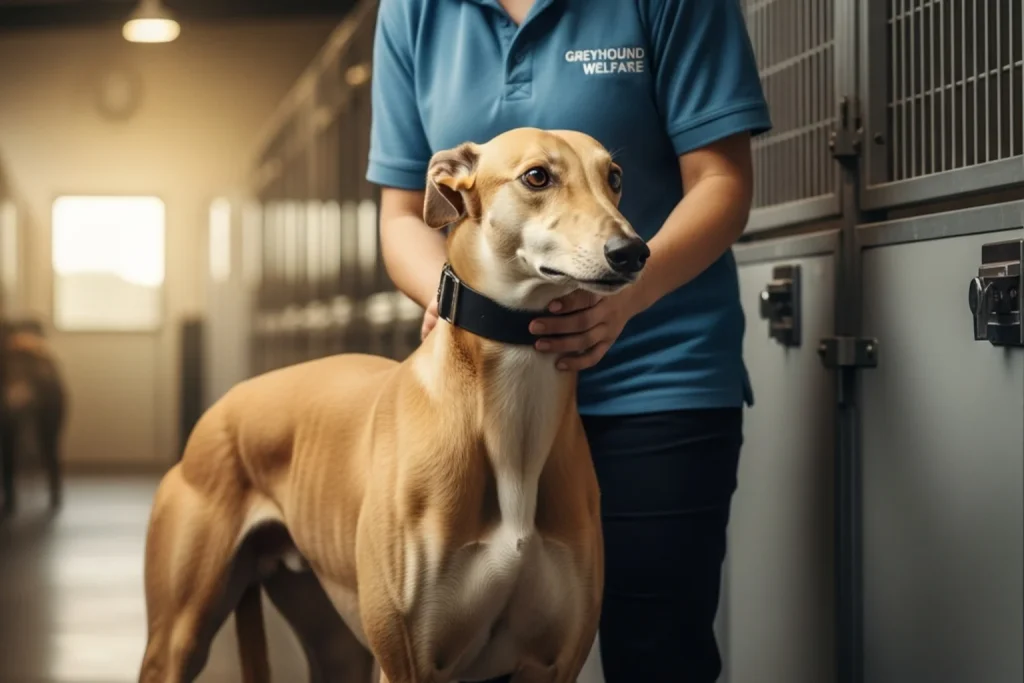
Greyhound welfare in UK racing occupies the centre of ongoing public debate. Critics argue the sport inherently harms animals; supporters point to improving standards and declining incident rates. Between these positions lies data—verifiable statistics published by the Greyhound Board of Great Britain (GBGB) that quantify what happens to racing greyhounds. This article presents that data alongside context, covering injuries, fatalities, retirement, and the welfare infrastructure supporting British greyhounds.
Transparency drives trust. The GBGB publishes annual welfare reports detailing outcomes across all licensed tracks, including Oxford Stadium. These reports provide the foundation for informed discussion about whether British greyhound racing meets acceptable standards. Interpreting the numbers requires understanding what they measure, how they have changed over time, and what initiatives have produced those changes. Raw statistics without context mislead; context without statistics remains anecdotal.
This guide examines GBGB oversight, injury and fatality data, retirement and rehoming schemes, support programmes for injured dogs, trainer education, breeding trends, and perspectives from welfare organisations critical of the sport. The goal is neither to defend nor condemn greyhound racing but to present transparent data on UK greyhound welfare that enables readers to form their own informed judgments. The facts should speak first; interpretation follows.
GBGB Oversight & Licensing
The Greyhound Board of Great Britain regulates licensed greyhound racing in the UK, establishing and enforcing welfare standards across member tracks. GBGB licensing represents a commitment to specific welfare requirements—tracks that fail to meet standards risk losing their licence and the commercial benefits it provides. This regulatory framework distinguishes licensed racing from unregulated “flapping” tracks that operate outside GBGB oversight.
Currently, 21 GBGB-licensed tracks operate in Britain, down from historical peaks of over 70 tracks during greyhound racing’s mid-twentieth-century heyday. This consolidation reflects both economic pressures on the sport and, arguably, increased standards that some facilities could not meet. Remaining tracks, including Oxford Stadium, must satisfy ongoing inspection and reporting requirements to maintain GBGB membership.
Licensing requirements cover facility standards, veterinary provision, kennelling conditions, and racing rules designed to minimise harm. On-track veterinarians attend all meetings, assessing dogs before racing and providing immediate treatment for any incidents. Kennelling regulations specify space, temperature, and hygiene requirements. Racing rules govern everything from acceptable running-on corridors to mandatory post-race checks. Compliance is monitored through regular inspections and incident reporting.
GBGB’s regulatory role extends beyond individual tracks to industry-wide initiatives. The organisation coordinates welfare programmes including the Injury Recovery Scheme and Greyhound Retirement Scheme described later in this article. It publishes annual welfare reports aggregating data across all licensed tracks, enabling trend analysis and accountability. Whether this self-regulation suffices or whether external oversight is necessary remains debated—but the framework’s existence provides structure that unregulated racing lacks.
Tracks must report all injuries and fatalities to GBGB, creating the dataset that welfare statistics draw from. This reporting requirement, while not externally audited, generates the transparency that allows assessment of industry performance. Critics note that self-reporting may undercount incidents; GBGB counters that the system has improved consistently and represents genuine commitment to transparency. The data presented throughout this article comes from these GBGB reports, acknowledged as the best available source while noting its limitations.
Injury Statistics
Greyhound racing injuries occur despite welfare measures—dogs running at speed around bends face inherent physical risks that cannot be entirely eliminated. The relevant question is not whether injuries occur but whether their rate is acceptable and whether it is decreasing over time. GBGB injury and retirement data provides the basis for answering both questions.
The 2026 GBGB injury rate stands at 1.07% of all runs, meaning approximately one injury requiring treatment or causing a dog to miss subsequent races occurs per 93 runs. This rate has declined over recent years, reflecting investment in track safety, improved veterinary provision, and better understanding of injury causes. The absolute number of injuries in 2026 was 3,809 across all GBGB tracks, a figure that contextualises against approximately 355,000 runs during the same period.
Injury types vary in severity. Minor injuries—cuts, bruises, strains—may require rest but allow full recovery. Serious injuries—fractures, torn ligaments, significant muscle damage—demand veterinary intervention and extended rehabilitation. Critical injuries occasionally prove untreatable, leading to euthanasia as the humane response. The injury rate aggregates across severity levels; most injuries fall into minor categories that heal completely with appropriate care.
Track safety improvements have contributed to declining injury rates. Surface maintenance, bend design, running-on distances, and field sizes all affect injury likelihood. GBGB guidance on these factors has tightened over years, and tracks investing in improvements have seen local rates decline. The variation between tracks reflects both physical characteristics and operational practices—well-maintained surfaces at appropriate tracks produce fewer injuries than neglected surfaces at problematic venues.
Injury tracking enables targeted intervention. When specific tracks show elevated rates, GBGB can investigate causes and require improvements. When specific injury types spike, veterinary guidance can address risk factors. The data infrastructure supporting injury statistics serves practical purposes beyond transparency—it identifies problems that attention can solve. This feedback loop between measurement and improvement represents contemporary regulated racing’s approach to welfare.
Fatalities & Transparency
Fatalities represent the most serious welfare concern in greyhound racing. Dogs dying from racing-related causes—whether immediately trackside or subsequently from racing injuries—constitute irreversible harm that no scheme can offset. GBGB publishes fatality data to enable assessment of whether the rate is acceptable and whether it is decreasing.
The 2026 trackside fatality rate stands at 0.03% of runs, meaning approximately one immediate death per 3,300 runs. In absolute terms, 123 dogs died trackside during 2026 across all GBGB tracks. This figure includes deaths during races and immediate post-race deaths before dogs leave the track. The rate has halved since 2020, when it stood at 0.06%, though critics argue any trackside death represents system failure.
Racing-related deaths beyond trackside incidents totalled 346 in 2026, encompassing dogs who died or were euthanised following racing injuries within a defined period after the incident. This broader figure captures harm that manifests after dogs leave the track—injuries whose severity only becomes apparent with time, or conditions that develop following racing stress. The combined fatality figure of approximately 470 deaths contextualises against the racing population and run count.
Transparency around fatalities has increased substantially. Historical data was less comprehensive, making trend analysis difficult for earlier periods. Contemporary reporting requirements generate detailed information about each death, enabling both accountability and prevention efforts. GBGB publishes this data annually, subject to public scrutiny and media coverage. This visibility represents a change from periods when the industry revealed less about negative outcomes.
Critics emphasise cumulative figures. Since GBGB began publishing comprehensive data in 2017, over 4,000 racing-related deaths have occurred across licensed tracks. This total, covering several years of racing, represents the mortality cost of the sport’s operation. Whether this cost is acceptable depends on values that statistics alone cannot determine—but the statistics ensure that debates occur with accurate information rather than speculation.
Economic Euthanasia
Economic euthanasia—destroying a greyhound because treatment costs exceed perceived value—represents a specific welfare concern distinct from euthanasia due to untreatable suffering. A dog euthanised for economic reasons could theoretically have lived; the decision reflects financial calculation rather than medical necessity. GBGB tracks and reports economic euthanasia separately from other deaths.
The 2026 figure for economic euthanasia stands at 3 dogs across all GBGB tracks, compared to 175 in 2018. This dramatic decline reflects policy changes, financial support schemes, and shifting attitudes within the industry. Economic euthanasia has become rare enough that each case receives individual scrutiny rather than representing routine practice.
The Injury Recovery Scheme (discussed below) directly addresses economic euthanasia by funding treatment that owners might otherwise decline. When treatment costs exceed what an owner can pay, the scheme can cover expenses, removing the financial pressure that historically led to economic euthanasia decisions. This intervention converts potential economic euthanasia cases into recovery cases, explaining much of the decline.
Industry leadership has publicly emphasised that economic euthanasia contradicts welfare commitments. GBGB CEO Mark Bird has stated: “I am particularly proud of the progress we have made around economic euthanasia. As a Board, we have been clear that putting a greyhound to sleep for economic reasons is unacceptable and I am pleased that we have reduced this by 98% since 2018.” The near-elimination of economic euthanasia responds to criticism that the sport valued dogs only while they generated returns.
The remaining cases involve complex circumstances where even available funding cannot achieve acceptable outcomes—situations where the line between economic and medical euthanasia blurs. Each case receives review to determine whether alternatives existed. The goal is elimination: zero economic euthanasia as standard industry practice. Progress toward that goal has been substantial, with the 2026 figure approaching the target.
Retirement & Rehoming
What happens to greyhounds after racing careers end matters as much as what happens during careers. A dog racing for two or three years may live another decade in retirement. Ensuring positive retirement outcomes represents a welfare commitment extending beyond racing itself. GBGB data indicates that 94% of racing greyhounds now achieve successful retirement through rehoming, remaining with trainers, or other tracked positive outcomes.
The Greyhound Retirement Scheme (GRS) structures financial responsibility for retirement. When a greyhound registers for racing, a bond of £420 is paid into the scheme. This bond is returned when the dog is confirmed rehomed through approved channels. The financial incentive aligns owner interests with retirement outcomes: ensuring proper rehoming releases funds; failing to do so forfeits them. Since inception, the scheme has disbursed £5.6 million to homing centres receiving greyhounds.
Homing centres across the UK specialise in transitioning racing greyhounds to pet life. These organisations assess dogs for temperament, provide necessary veterinary care, and match greyhounds with suitable adopters. The Retired Greyhound Trust, independent charities, and breed-specific rescues all participate in rehoming retired racers. The network’s capacity determines how many dogs can move from racing to retirement smoothly.
Rehoming challenges vary by dog. Some greyhounds adapt immediately to domestic life; others require extended support with house training, socialisation with other pets, or adjustment to household routines. Homing centres provide guidance to adopters and often accept dogs back if placements fail. The 94% successful retirement rate encompasses dogs navigating these transitions, though the quality of individual outcomes varies.
Dogs not rehomed through formal channels face less certain fates. The remaining 6% includes dogs whose outcomes cannot be confirmed: those transferred to unlicensed ownership, those euthanised for non-economic medical reasons, and those whose records are incomplete. This category has shrunk as tracking has improved, but its existence reminds observers that complete accountability remains aspirational. The goal is 100% tracked positive retirement; achieving 94% represents progress without claiming completion.
Injury Recovery Scheme
The Injury Recovery Scheme (IRS) provides funding for treatment of racing injuries, ensuring dogs receive care regardless of owner financial circumstances. Established in 2018, the scheme has disbursed £1.5 million supporting treatment for injured greyhounds. This financial mechanism directly addresses the economic pressures that historically resulted in inadequate care or economic euthanasia.
IRS funding covers veterinary treatment including surgery, rehabilitation, and extended care that injuries from racing may require. Applications come from trainers and owners whose dogs sustain significant injuries. The scheme assesses each case, determining whether funding should be provided and at what level. Approved treatments proceed with IRS covering costs, enabling recovery that might otherwise be foregone.
The scheme complements rather than replaces owner responsibility. Routine veterinary care, minor injury treatment, and general welfare remain owner obligations. IRS intervenes for significant injuries where costs might otherwise deter appropriate treatment. This targeted approach concentrates resources where they most affect outcomes—serious injuries that would otherwise result in poor welfare or premature death.
IRS funding comes from betting revenue allocated to welfare purposes. The commercial structure supporting British greyhound racing thus contributes to welfare infrastructure beyond prize money and operational costs. Whether this funding level suffices—and whether voluntary industry contribution adequately addresses harm the industry creates—remains debated. The scheme’s existence demonstrates intent; its outcomes demonstrate effect.
Recovery rates for IRS-supported cases inform future treatment decisions. Dogs who receive funded treatment and return to racing or retire successfully validate the scheme’s approach. Outcomes feed back into guidelines for which treatments to support. This learning process has refined the scheme over its operation, improving the efficiency with which funds convert to welfare outcomes.
Trainer Education & CPD
Trainer competence directly affects greyhound welfare. Dogs in the care of knowledgeable trainers receive better daily husbandry, appropriate conditioning, and informed decisions about racing suitability. GBGB requires licensed trainers to complete ongoing education, embedding welfare knowledge throughout the licensed population.
Continuing professional development (CPD) requirements ensure trainers stay current with welfare guidance. Over 580 hours of CPD training were delivered across GBGB trainers in 2026, covering topics from injury recognition to nutrition to behavioural indicators of stress. This ongoing education supplements initial licensing requirements, ensuring that trainer knowledge evolves as veterinary science and welfare understanding advance.
Trainer Development Grants totalling £480,000 have supported education initiatives, funding course development, trainer attendance, and certification programmes. This investment in trainer capacity builds the human infrastructure that welfare outcomes depend upon. Well-trained trainers make better decisions; better decisions produce better outcomes. The logic is straightforward even if measuring precise effects remains difficult.
Licensing standards have tightened over time, raising the baseline competence required to train racing greyhounds. New trainer entrants face more demanding requirements than predecessors; existing trainers must demonstrate ongoing compliance. This progressive approach raises industry standards without displacing experienced participants who meet evolving requirements. The result is a trainer population better equipped than historical cohorts to prioritise welfare.
Kennel inspections verify that training standards translate into practice. Inspectors assess kennelling conditions, record-keeping, and welfare indicators during visits. Failures result in corrective requirements or, for serious cases, licence review. This compliance mechanism converts education into action, ensuring that knowledge trainers acquire actually affects how they care for dogs.
Breeding Trends
The supply of racing greyhounds depends on breeding decisions made years before dogs reach the track. Breeding trends affect both the quantity of greyhounds entering racing and their welfare from birth. GBGB data reveals shifting patterns in British greyhound breeding that have implications for the sport’s future and its welfare profile.
British-bred greyhounds now comprise approximately 15.5% of the racing population, up from lower levels in previous years. This shift toward domestic breeding reduces reliance on imports, primarily from Ireland, and gives British regulatory oversight greater reach into early-life welfare. Dogs bred under GBGB jurisdiction face welfare standards from birth; imports may have varied welfare histories before reaching licensed tracks.
The increase in British breeding reflects both industry initiative and changing economics. GBGB has encouraged domestic breeding through incentive programmes and regulatory preferences. Brexit-related complications with imports have also favoured local production. The trend may continue if these factors persist, further shifting the racing population toward dogs with complete welfare transparency from birth.
Breeding welfare extends beyond racing outcomes. Dogs bred but not suitable for racing must also be rehomed or otherwise accounted for. The ratio of dogs bred to dogs racing indicates how efficiently breeding programmes produce racers versus surplus animals. This metric has received increased attention, with breeding operations encouraged to match production to demand rather than overproducing in hopes of exceptional individuals.
Early-life welfare affects dogs throughout their lives. Puppies raised in good conditions with appropriate socialisation become sounder adult racers and better pets after retirement. Investment in early-life welfare thus pays dividends across the dog’s lifespan. The shift toward British breeding, where such standards can be monitored, positions the industry to improve early-life welfare alongside racing welfare.
Critical Perspectives
Not all observers accept that regulated greyhound racing meets acceptable welfare standards. Animal welfare organisations, including the RSPCA and Blue Cross, have raised concerns about the sport’s inherent risks and the adequacy of industry-led reform. These critical perspectives merit acknowledgment alongside industry data.
The cumulative death toll since comprehensive tracking began—over 4,000 racing-related deaths since 2017—anchors much criticism. Critics argue that any sport producing deaths at this scale cannot claim adequate welfare regardless of rate reductions. The absolute numbers represent individual animals who died from participation in entertainment, a calculus some find unacceptable however the percentages present.
The Blue Cross briefing has questioned whether self-regulation sufficiently protects greyhounds and whether commercial pressures inevitably compromise welfare. Their analysis notes that GBGB is funded by the industry it regulates, creating potential conflicts between welfare enforcement and commercial viability. External regulation, they suggest, might impose standards that self-regulation avoids.
Welsh government consideration of a greyhound racing ban demonstrates that critical perspectives have political traction. RSPCA Cymru submitted evidence to the Senedd arguing for prohibition, characterising the sport as inherently harmful regardless of improvements. While a ban has not proceeded, the fact that prohibition is seriously discussed indicates welfare concerns extend beyond activist circles into mainstream policy debate.
Industry responses to criticism emphasise progress and transparency. GBGB points to declining injury rates, near-elimination of economic euthanasia, and 94% retirement success as evidence that regulated racing can operate responsibly. They argue that prohibition would push greyhound racing into unregulated settings with worse welfare outcomes, and that continued improvement within the licensed framework better serves dogs than abolition.
This article does not resolve the debate between critics and industry. The data presented above comes primarily from GBGB sources, acknowledged as both the most comprehensive available and published by an interested party. Readers can assess whether the statistics support confidence in the sport’s welfare standards or confirm that fundamental concerns remain unaddressed. Transparency enables this assessment; judgment remains personal.
Conclusion
Greyhound welfare in UK racing presents a complex picture of measurable improvement within contested frameworks. Injury rates, fatality rates, and economic euthanasia have all declined substantially. Retirement outcomes have improved to 94% tracked positive results. Financial infrastructure including the Injury Recovery Scheme and Greyhound Retirement Scheme supports welfare beyond the track. Trainer education has expanded, and breeding trends favour domestic production with complete welfare oversight.
Whether this progress suffices depends on values data cannot determine. Those who believe greyhound racing can operate responsibly may find evidence supporting continued engagement. Those who believe the sport is inherently harmful may find evidence that confirms fundamental problems despite improvements. The statistics presented here inform both positions without resolving the disagreement between them. Transparency serves discussion; it does not end it.